Ornamental & Architectural Metals
Custom ornamental and architectural metal elements fabricated for highly visible, design-driven commercial and public environments.
-
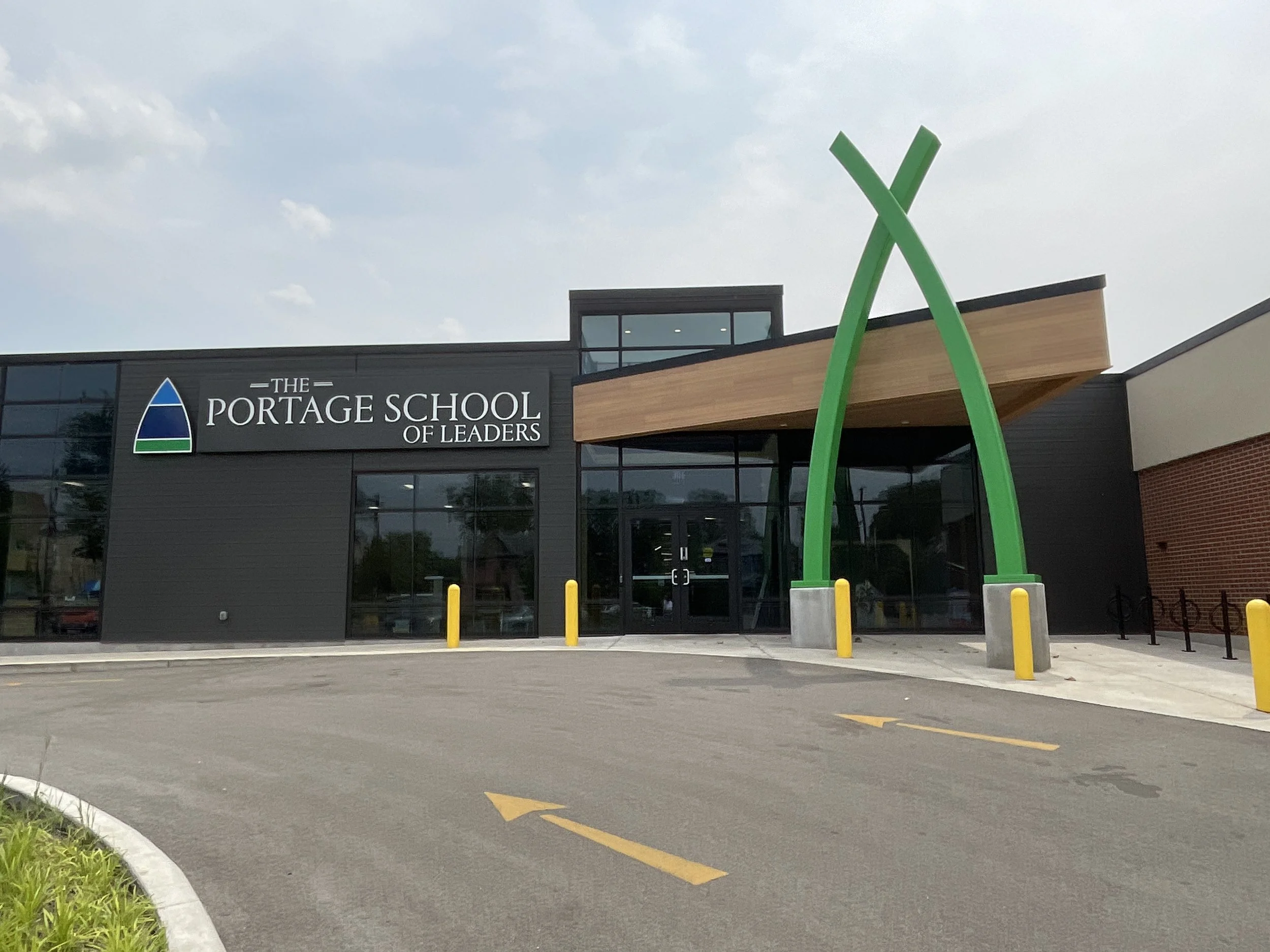
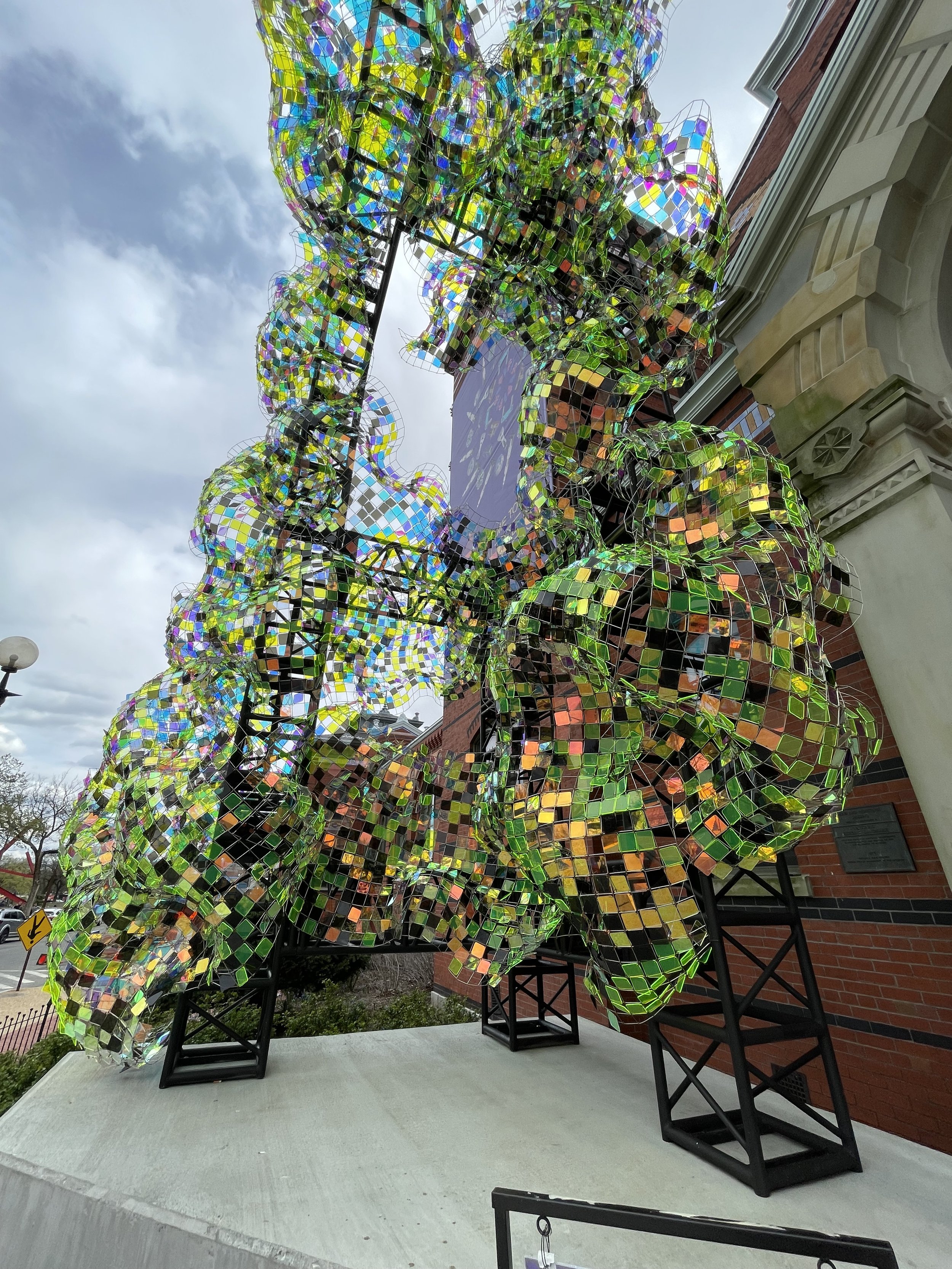
![Custom ornamental metal sculpture fabricated for the City of Portage.]()
Architectural Steel Entry Feature fabricated for a commercial building
-
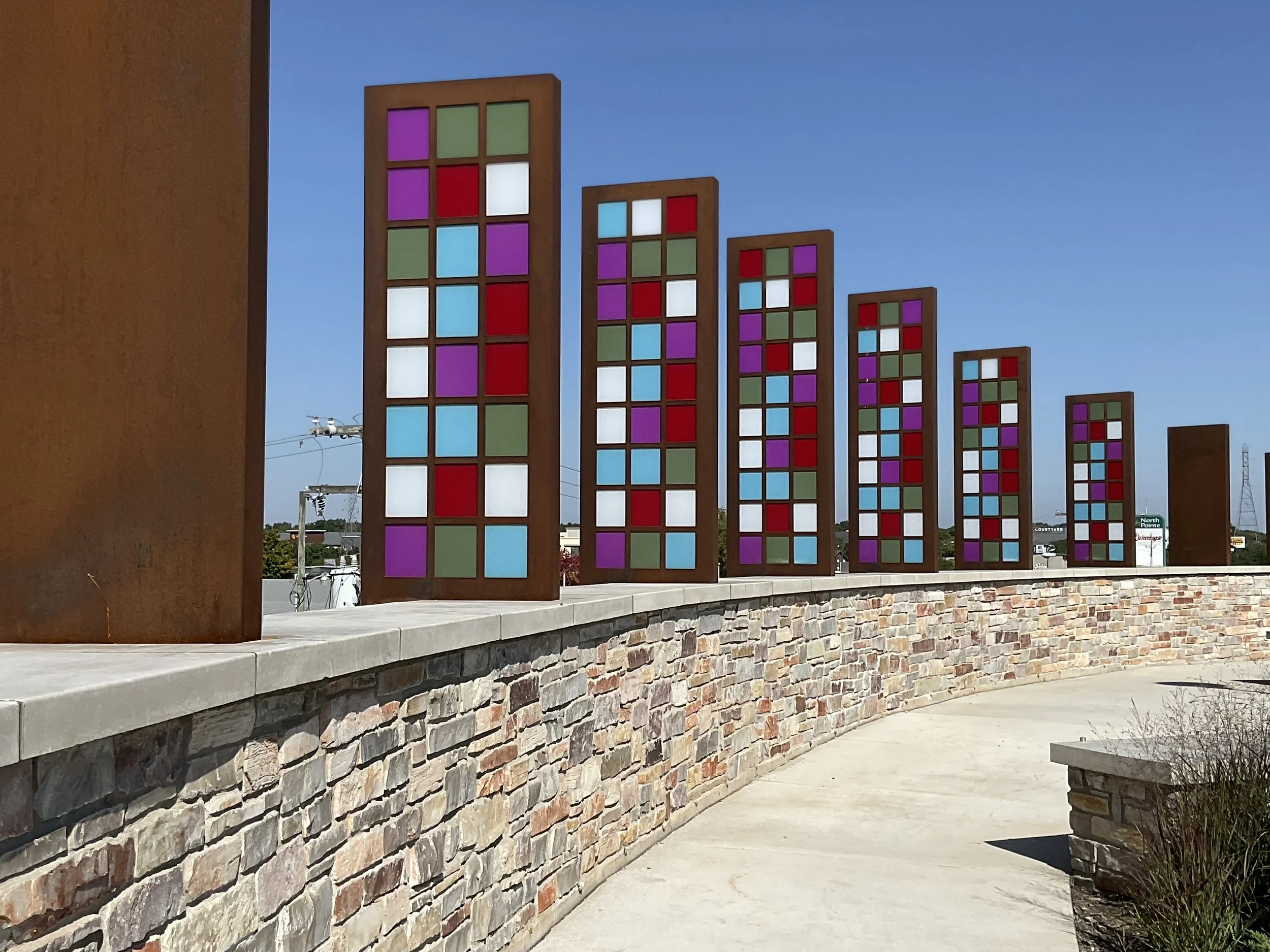
![Decorative metal and glass panels fabricated for the State Road 19 streetscape project.]()
Decorative Architectural Steel Panels Integrated into masonry Landscape Features
-
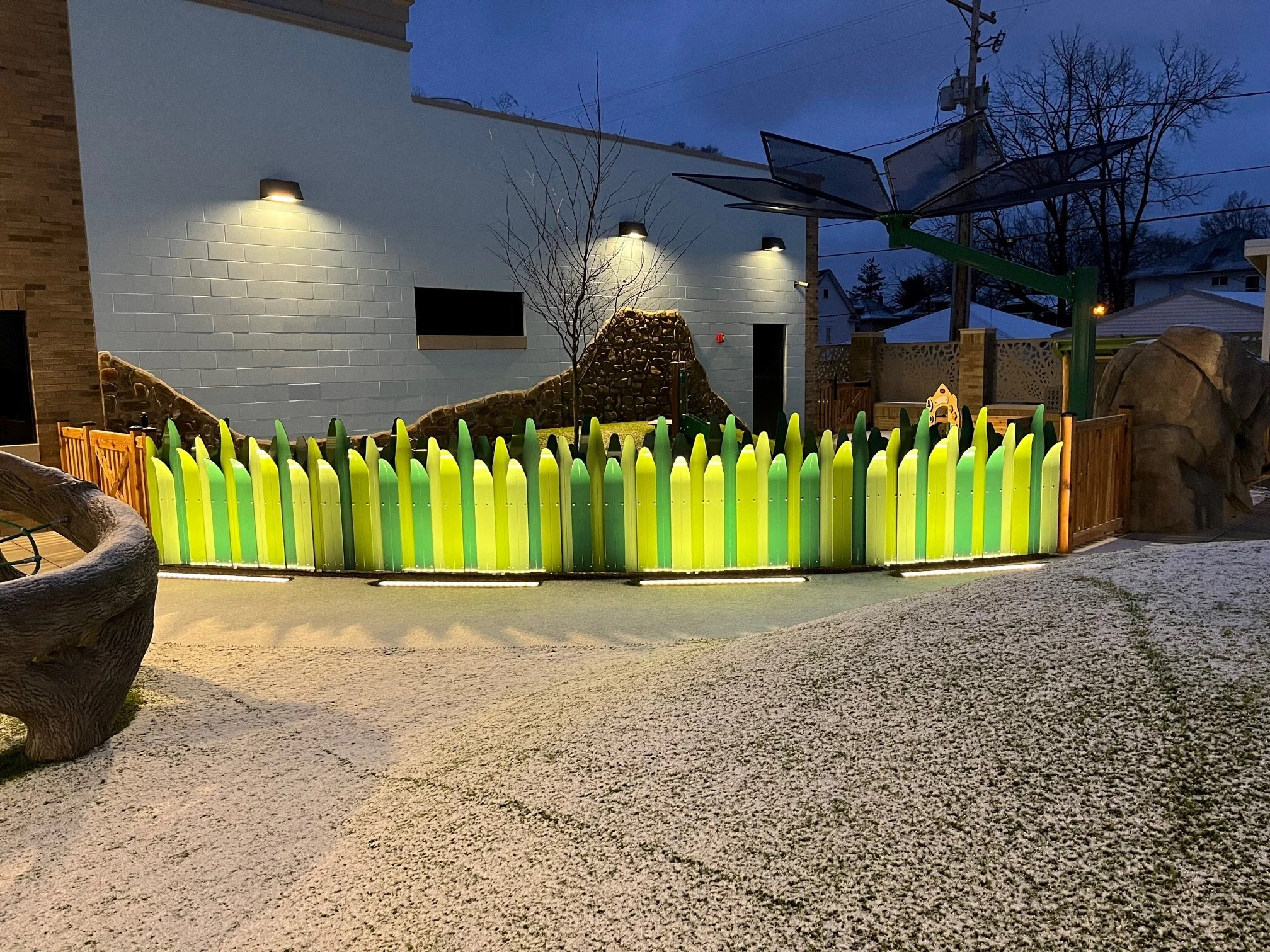
![Custom fabricated metal fencing and site elements at a public park in South Bend, Indiana.]()
Custom Architectural Metal Fencing fabricated for a public space
-
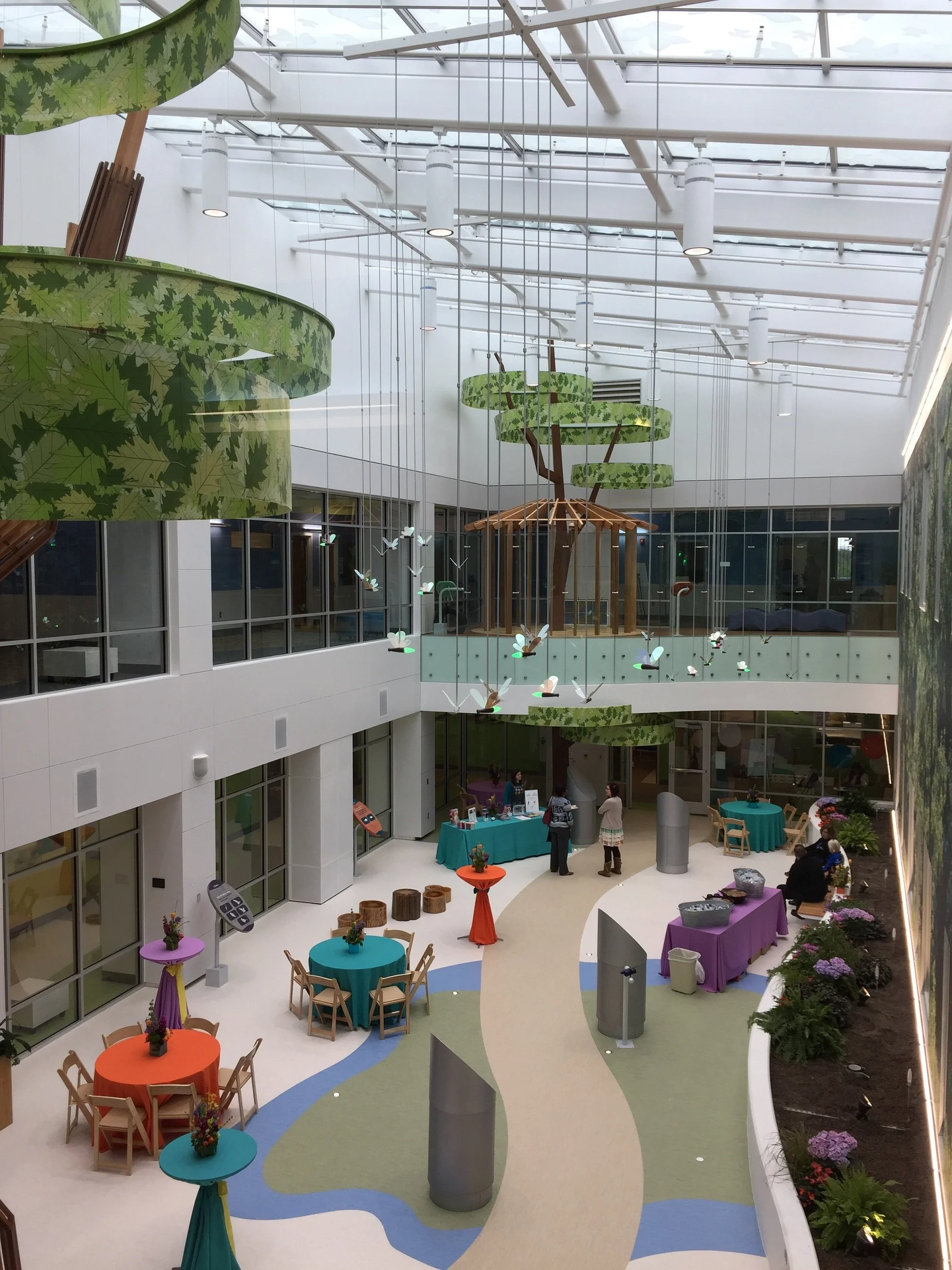
![Custom ornamental metal installation fabricated for a healthcare facility interior.]()
Architectural Steel Sculpture Elements fabricated for a public interior
-
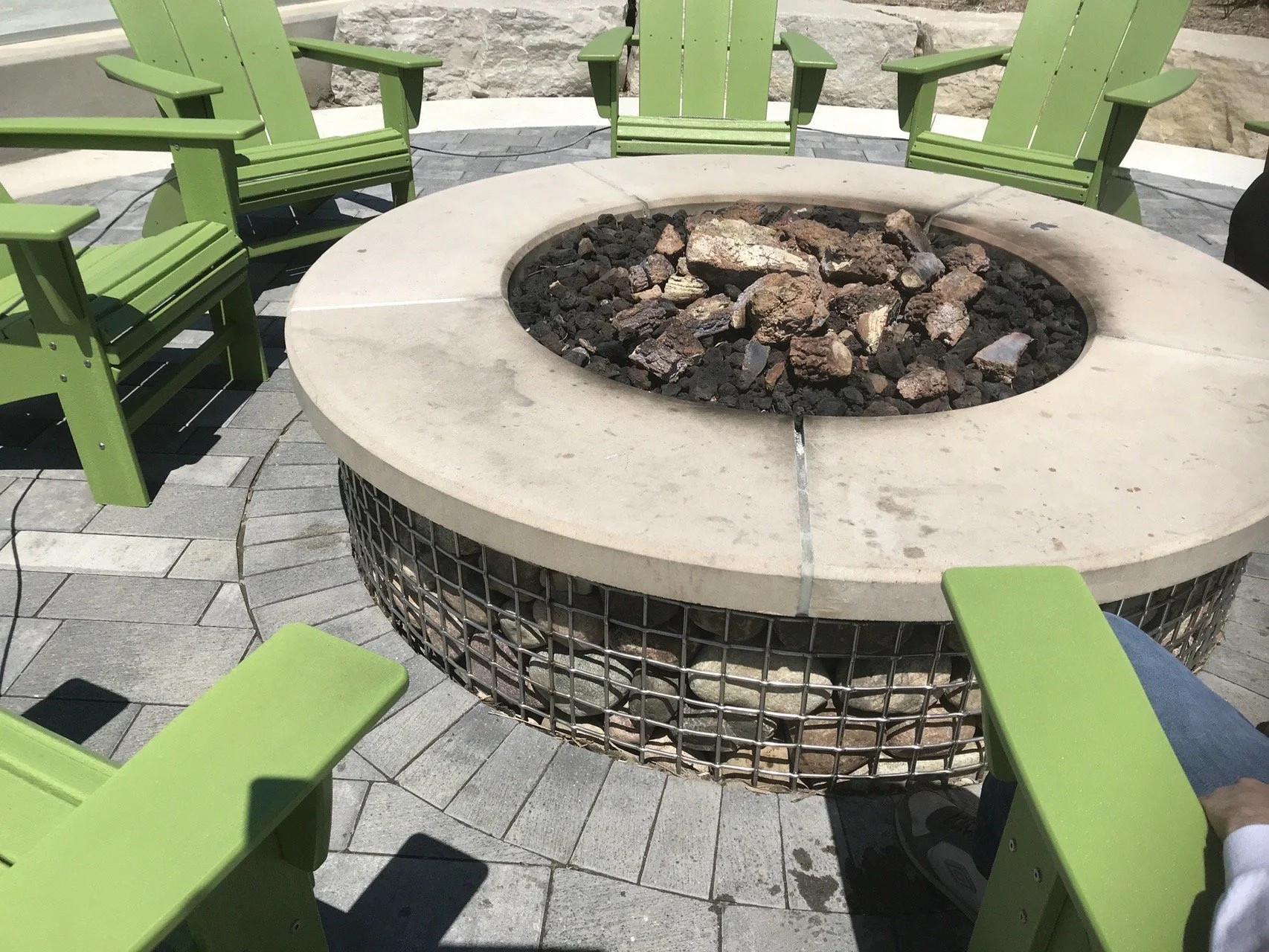
![Custom fabricated outdoor metal fire pit.]()
Custom Steel Fire Pit with Decorative Metal Infill Fabricated for a Public Outdoor Space
-
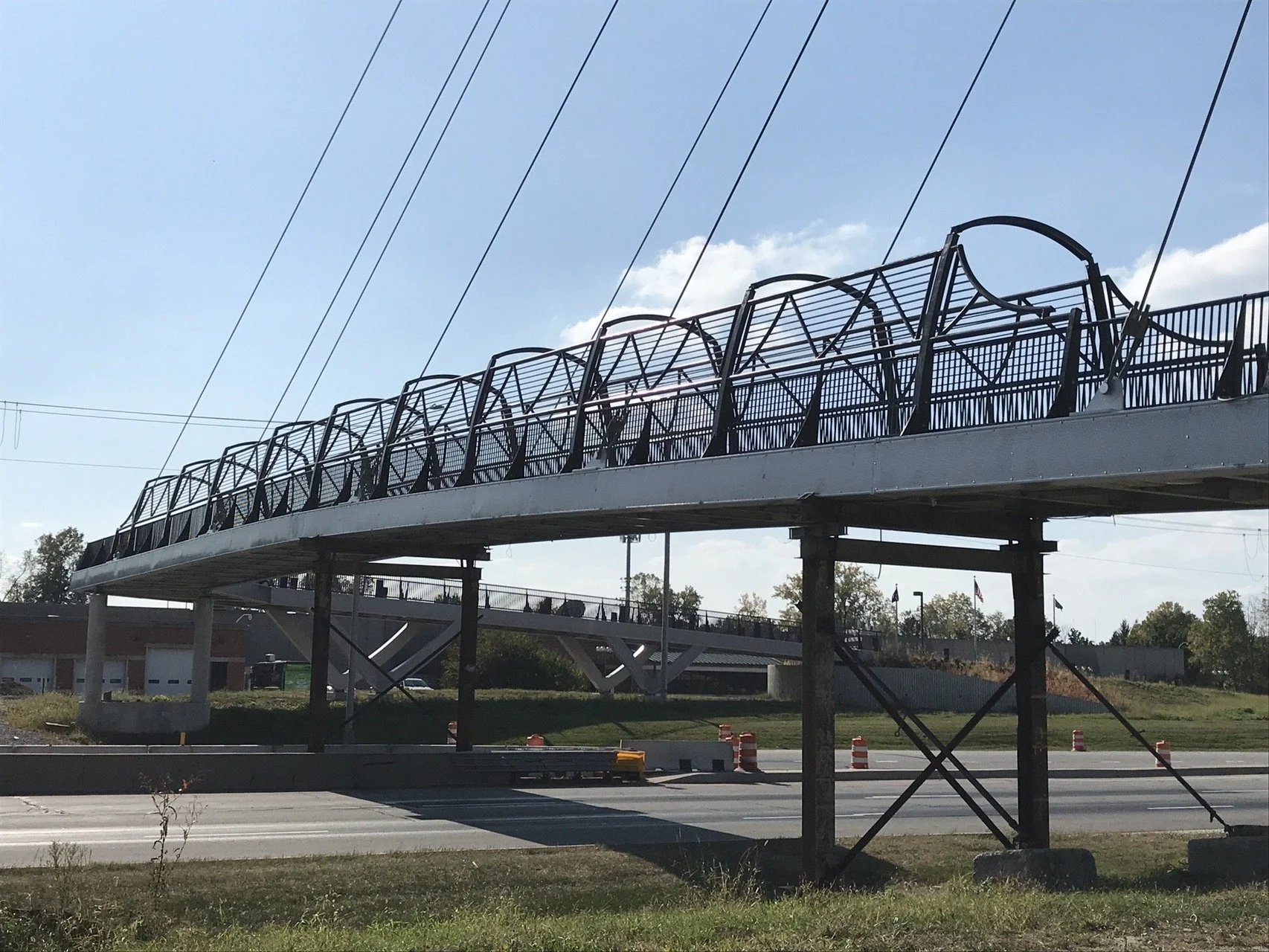
![Structural steel pedestrian bridge connecting university campuses in Fort Wayne, Indiana.]()
Architectural Pedestrian Bridge railing system fabricated for public infrastructure
-
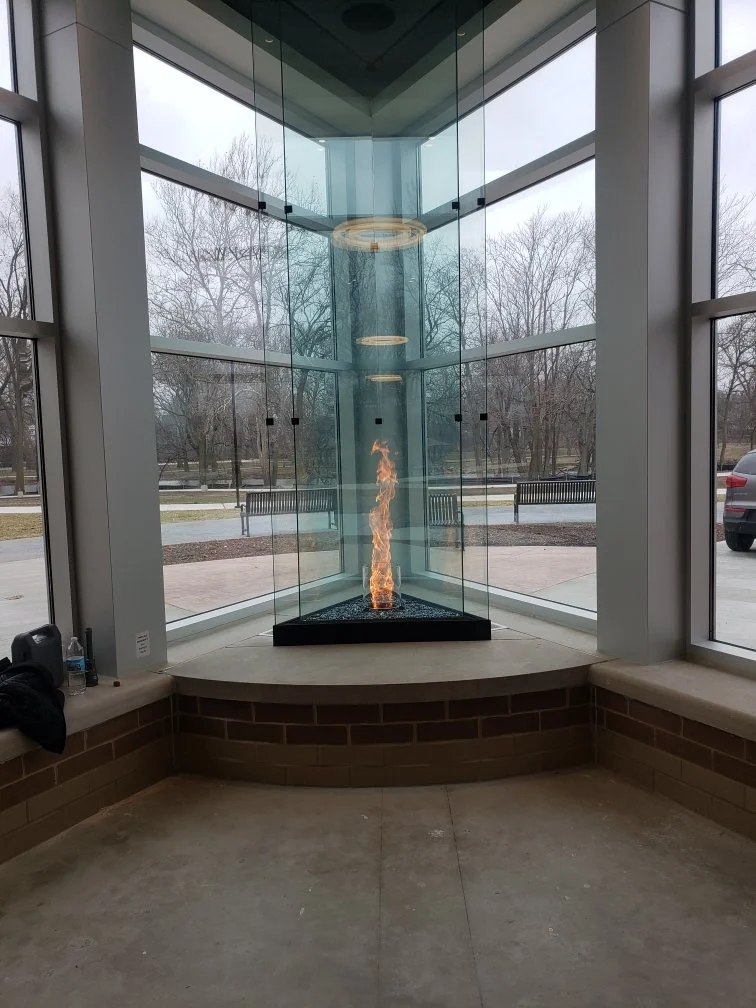
![Custom fabricated interior metal fire feature.]()
Custom Glass-enclosed architectural fire feature fabricated for an interior public space
-
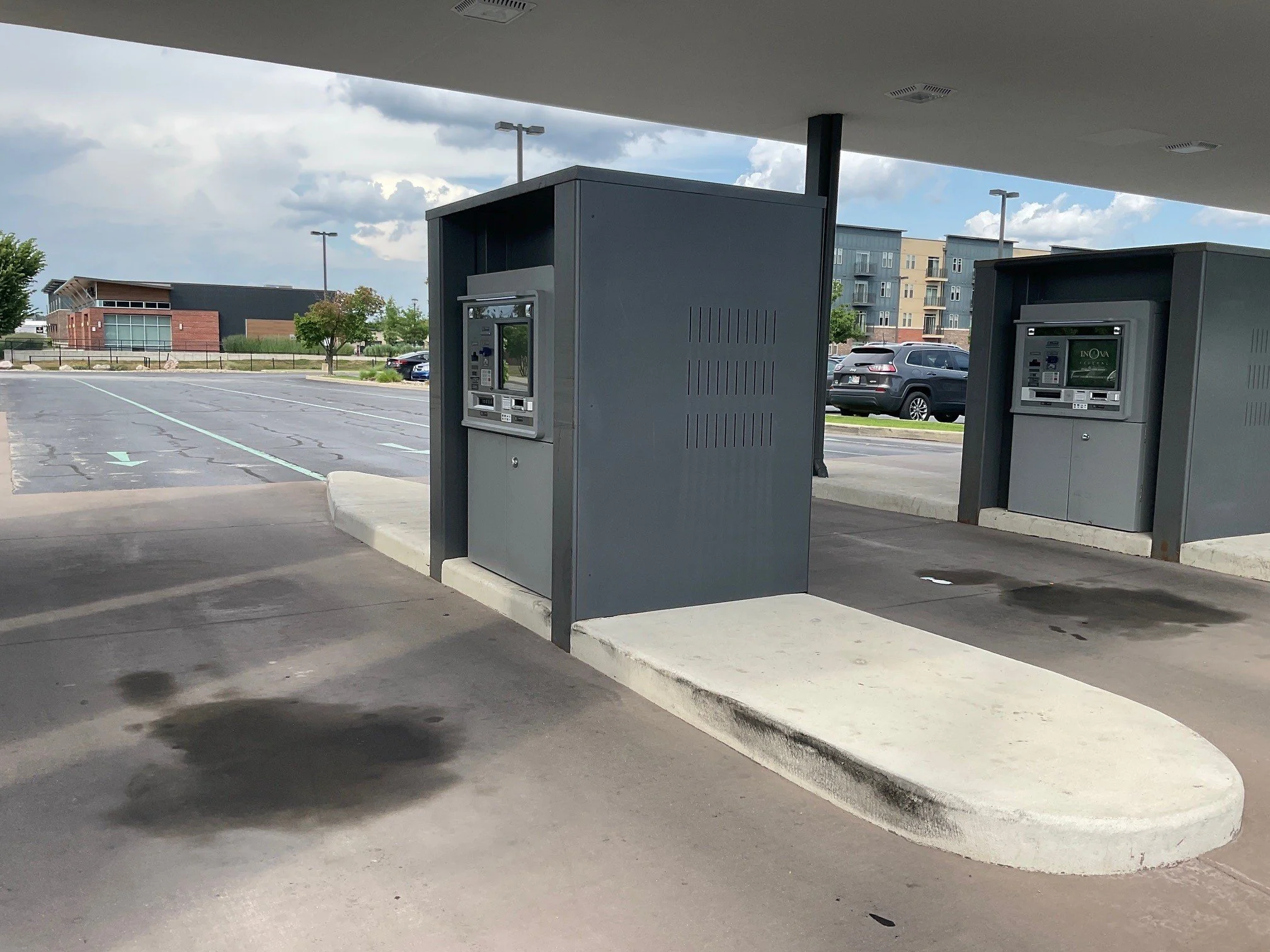
![Custom metal ATM cover at a drive-up banking facility]()
Custom-fabricated metal ATM cover designed to provide a durable, clean enclosure for drive-up banking equipment.
Typical Services
Architectural Metal Features and Focal Elements
Decorative Railings and Guardrails for Visible Applications
Custom Panels, Screens, and Architectural Feature Elements
Project-Specific Architectural Metal Components Fabricated to Design Intent
Typical Clients
Architects and Designers
Commercial Builders
Cultural and Civic Institutions
Developers and Property Owners
Landscape Architects
Other Fabricators Seeking Specialty Fabrication Support or Additional Production Capacity
-
Morris Performing Arts Center
Marshall City Museum
Potawatomi Zoo
RV/MH Hall of Fame
Holy Cross College
St. Mary’s Library
Vineyard Community Church
Little Flower Catholic Church
Church of the Holy Spirit
Albright United Methodist Church
Bertrand Bible Church
First Presbyterian Church
Hebrew Congregation
Holy Cross Church
North Side Baptist Church
Pilgrim Lutheran Church
South Side Baptist Church
St. Paul’s Church
St. Jude’s Church
St. Paul’s Lutheran Church
Materials & Finishes
Materials and finishes are selected based on visibility, durability, environmental exposure, and design intent. Architectural metal elements are fabricated to meet both functional requirements and aesthetic goals, with close coordination to project specifications.
Architectural Metal Materials:
-
Best For - Many architectural features and decorative elements.
Why It’s Used - Strong, versatile, and well‑suited for custom fabrication, welding, and forming.
Common Applications - Panels, railings, feature elements, frames, and structural accents.
Note - Typically finished with protective coatings for corrosion protection and appearance. Common Grades - ASTM A36, A500 (HSS) -
Best For - Architectural elements requiring reduced weight and enhanced corrosion resistance.
Why It’s Used - naturally corrosion resistant and suitable for exterior features and detailed architectural components.
Common Applications - Panels, screens, decorative elements, and feature components where specified. Common Alloys - 6061-T6 and 6063-T5 when specified. -
Best For - Highly visible architectural applications.
Why It’s Used - Provides excellent corrosion resistance and a refined appearance for exposed elements.
Common Applications - Railings, feature elements, cladding details, and interior or exterior architectural components. Common Grades - 304 / 304L and 316 / 316L when specified. -
Best For - Architectural features requiring distinctive appearance or material character.
Why It’s Used - Offers unique visual qualities for signature elements and specialty applications.
Common Applications - Accents, signage, panels, trim, and specialty architectural features.
architectural elements & applications:
-
Custom‑fabricated panels and screens designed to provide visual interest, screening, shading, or site definition.
-
Decorative railing systems fabricated for highly visible applications while meeting functional and safety requirements.
-
Custom metal features fabricated to serve as focal points in public, commercial, and architectural environments.
Finish systems:
-
Best For - Architectural elements receiving field‑applied finishes.
Applied after fabrication to provide temporary corrosion protection prior to final finishing. Important Note - Shop primer is intended to reduce rust during handling and shipping and is not a final finish unless specifically noted in project specifications. -
Best For - Architectural elements requiring color, durability, and consistent finish quality.
Commonly specified for exposed architectural metal features. Color Considerations - Powder coating colors are typically selected from RAL standard color ranges; specialty colors may be limited. Metallic powders often require a clear coat for consistency and durability. -
Best For - Architectural elements requiring unique appearance or material character.
Includes project‑specific finishes coordinated with design requirements, material selection, and environmental exposure.
Fabrication & Coordination
Ornamental and architectural metal elements are fabricated in-house with attention to detail, fit, and finish. We coordinate with architects, designers, and contractors to support design intent, constructability, and installation requirements.