custom signs & signage
Custom metal signs, dimensional lettering, and branded architectural features fabricated for commercial, institutional, municipal, and public environments.
-
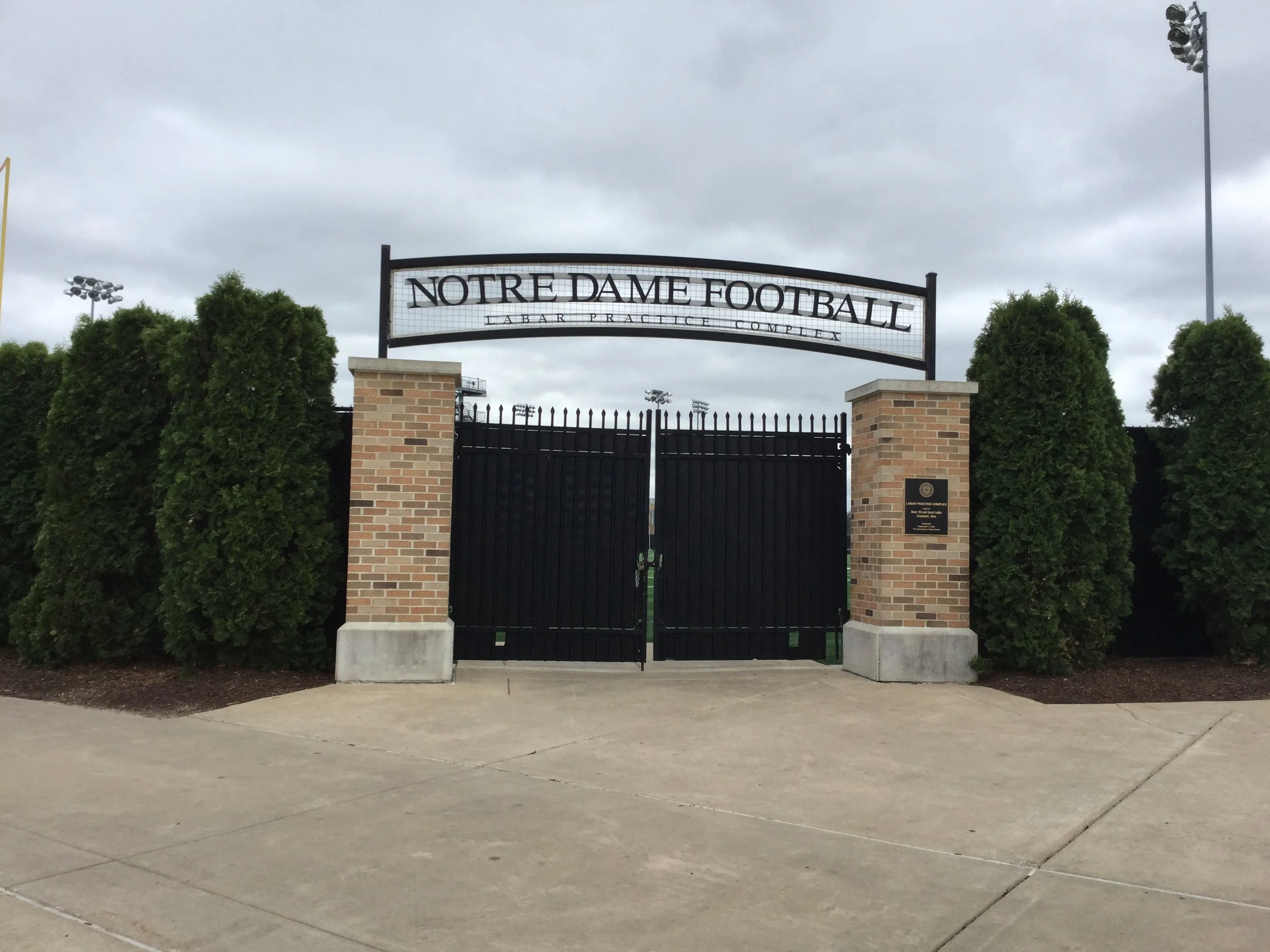
![Notre Dame Football LaBar Practice Complex metal entrance sign above black gates]()
Custom-fabricated metal entrance sign featuring dimensional lettering for the Notre Dame Football LaBar Practice Complex
-
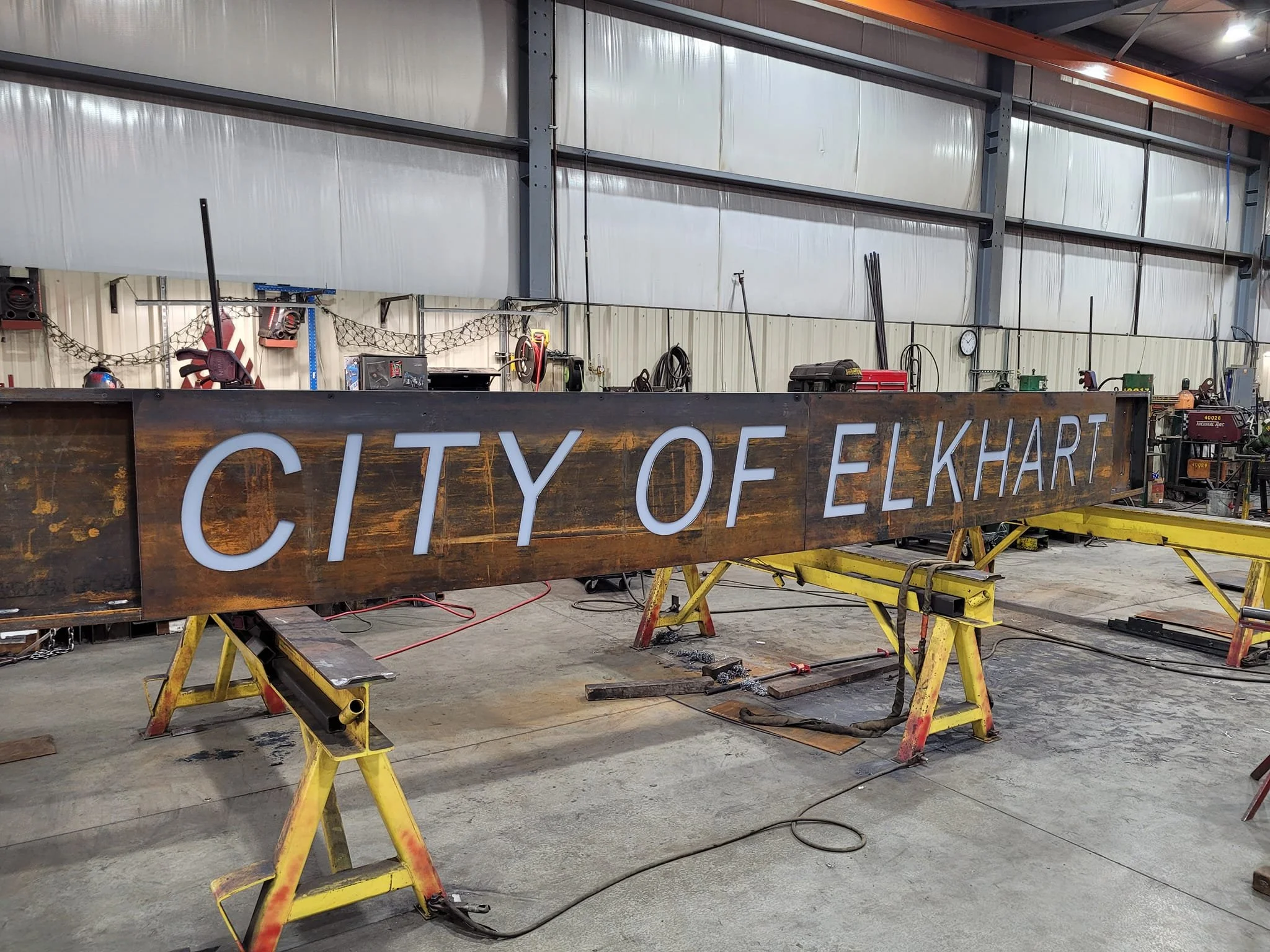
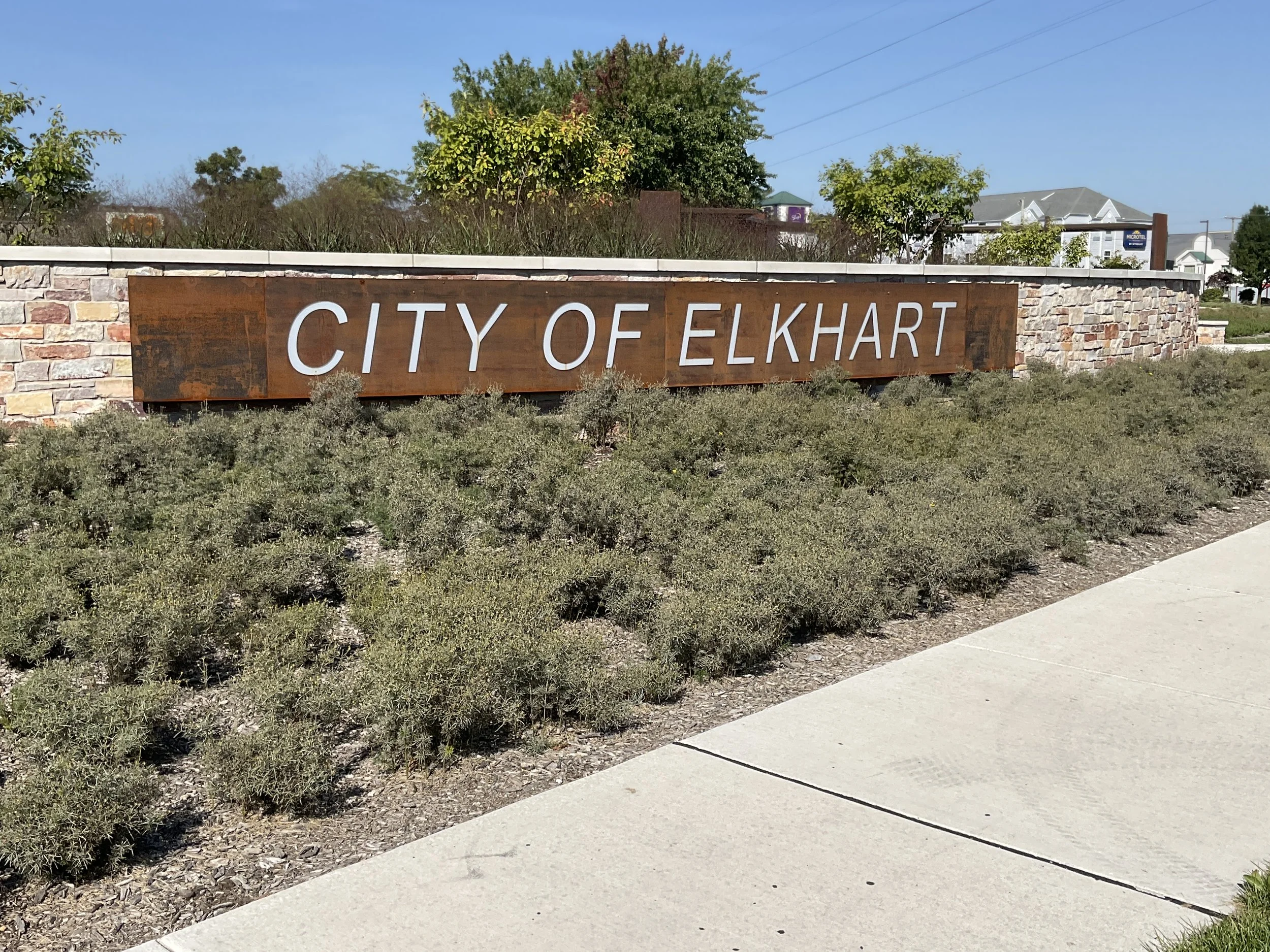
![Custom fabricated City of Elkhart signage for the State Road 19 project.]()
Architectural Steel Signage Fabricated as a Civic Entry Feature
-
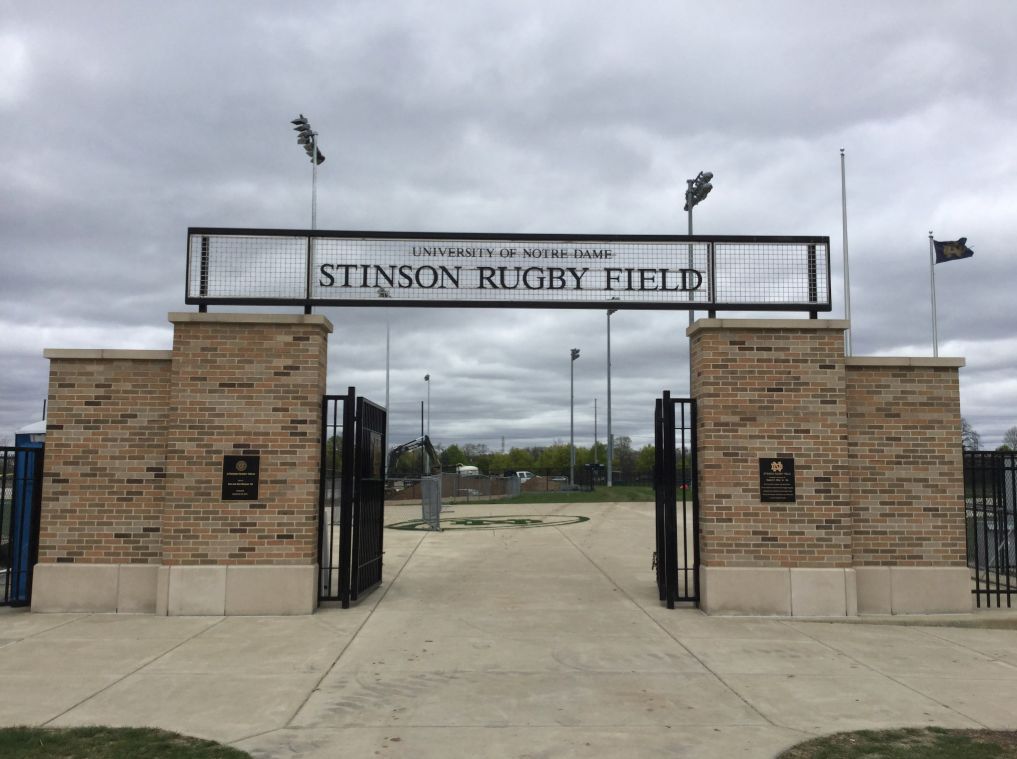
![University of Notre Dame Stinson Rugby Field metal gateway sign between brick columns]()
Custom metal gateway sign fabricated for Stinson Rugby Field at the University of Notre Dame
-
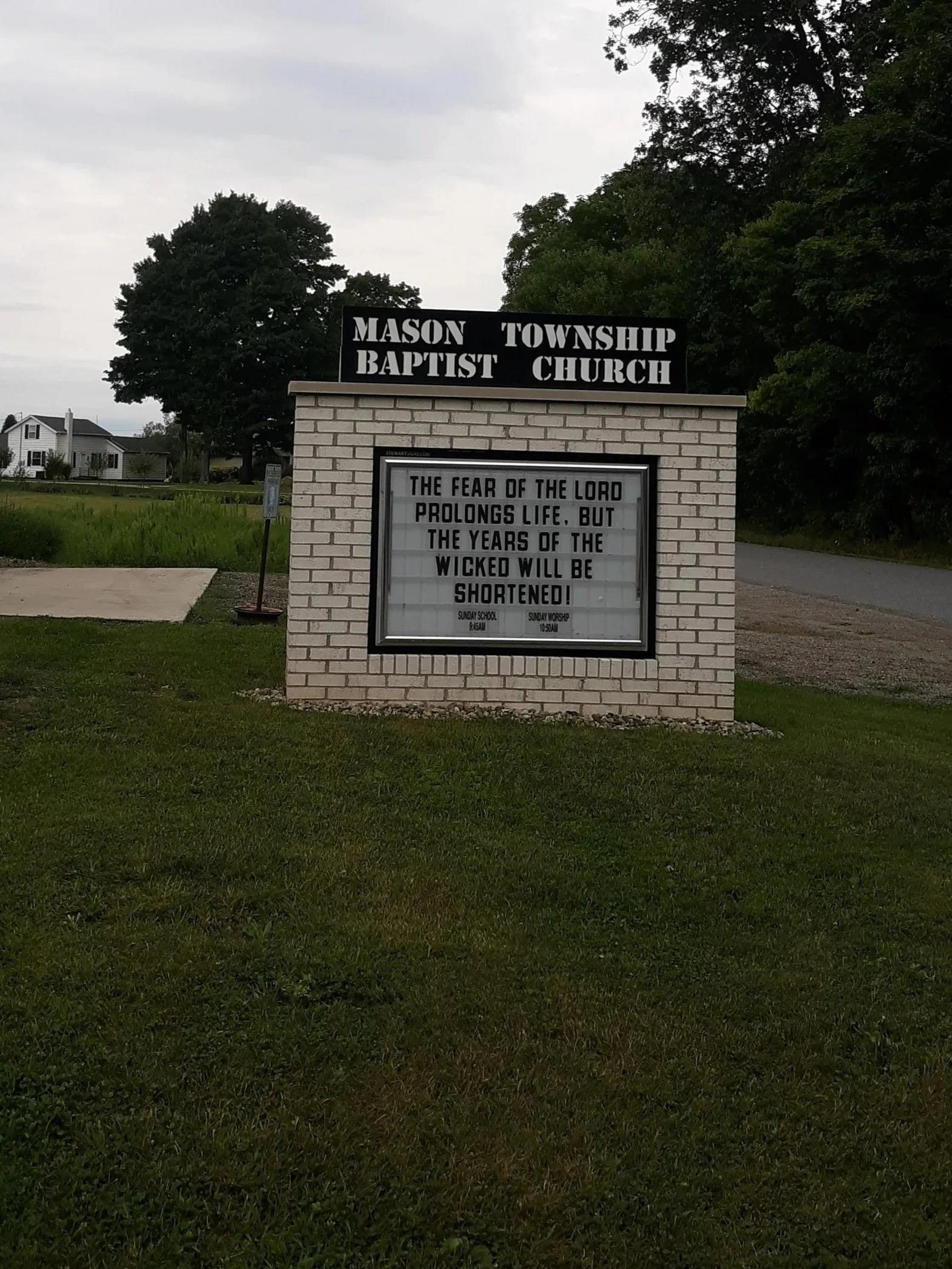
![Custom fabricated steel sign structure installed at Mason Township Baptist Church.]()
Custom Fabricated Sign Structure providing a Durable and Attractive Entrance Feature
-
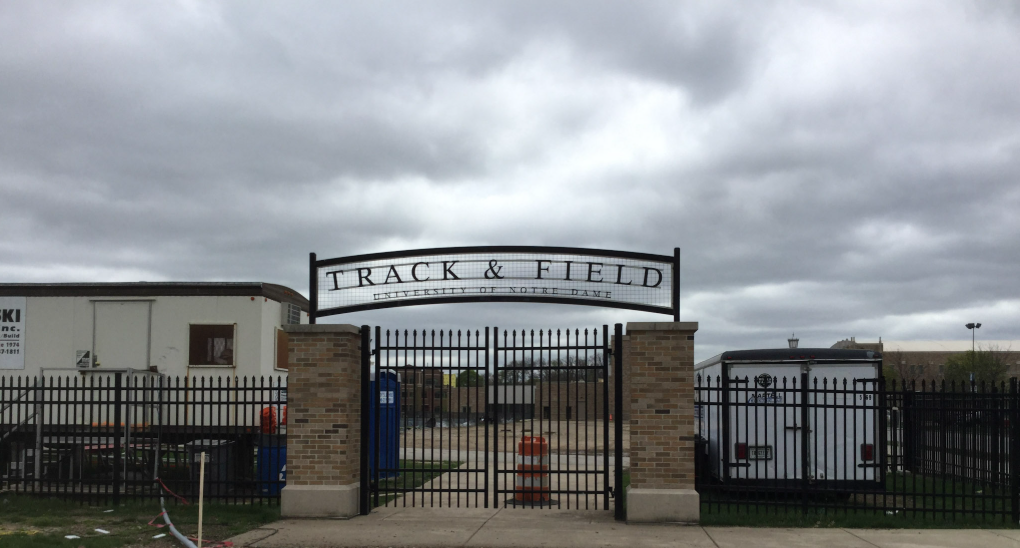
![University of Notre Dame Track and Field curved metal entrance sign above black gates]()
Custom-fabricated entrance sign with dimensional metal lettering for the University of Notre Dame Track & Field facility
Typical Services
Monument and Entrance Sign Fabrication
Dimensional Metal Letters and Logos
Campus and Facility Identification Signs
Custom Sign Frames, Posts, and Supports
Project-Specific Signage Fabricated to Design Intent
Typical Clients
Architects and Designers
Commercial Builders and General Contractors
Educational and Healthcare Institutions
Municipalities and Public Agencies
Developers and Property Owners
Parks, Cultural, and Civic Organizations
Landscape Architects
Other Fabricators Seeking Specialty Fabrication Support or Additional Production Capacity
-
City of Elkhart
Portage School of Leaders
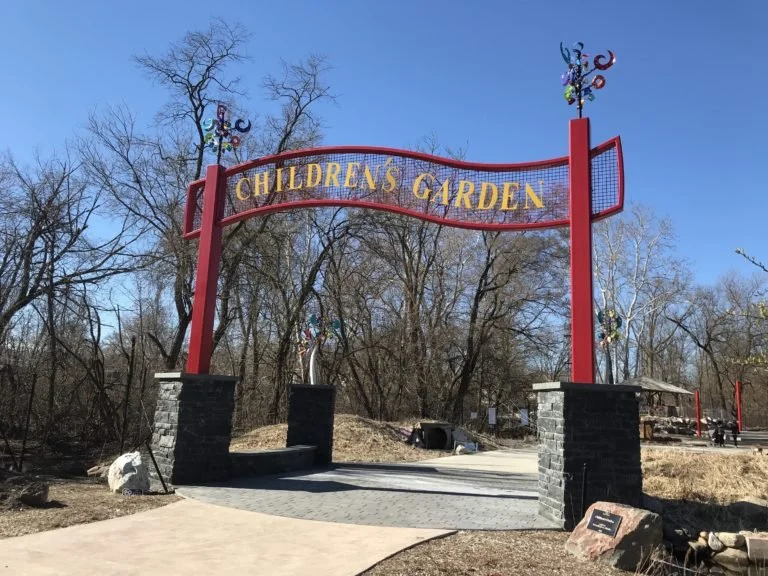
Children's Garden
Indiana University (multiple campus signage projects)
University of Notre Dame
Juday Creek WWTP
Fairfield Schools
Seitz Park
Materials & Finishes
Materials and finishes are selected based on visibility, durability, environmental exposure, structural requirements, and design intent. Custom metal signs are fabricated to support long-term performance while coordinating with surrounding architecture, landscaping, branding, and project specifications.
Signage Materials:
-
Best For: Monument signs, gateway signs, dimensional letters, structural frames, posts, and custom sign supports.
Why It’s Used: Carbon steel provides strength, versatility, and reliable fabrication for both decorative and structural sign components.
Common Applications: Sign frames, entrance features, support posts, dimensional lettering, panels, brackets, and large-scale gateway signs.
Common Grades: ASTM A36 plate and bar, ASTM A500 HSS, and other grades when specified.
-
Best For: Lightweight exterior signage, dimensional lettering, logos, panels, and applications requiring corrosion resistance.
Why It’s Used: Aluminum is lightweight, corrosion resistant, and well suited for detailed fabrication and architectural finish systems.
Common Applications: Letters, logos, sign panels, wall-mounted features, directional signs, and decorative identity elements.
Common Alloys: 5052, 6061, and 6063 when specified.
-
Best For: High-visibility signage requiring corrosion resistance, durability, and a refined architectural appearance.
Why It’s Used: Stainless steel provides long-term durability and a clean appearance for premium interior and exterior installations.
Common Applications: Dimensional letters, logos, plaques, donor recognition elements, identification signs, and architectural branding features.
Common Grades: 304/304L and 316/316L when specified.
-
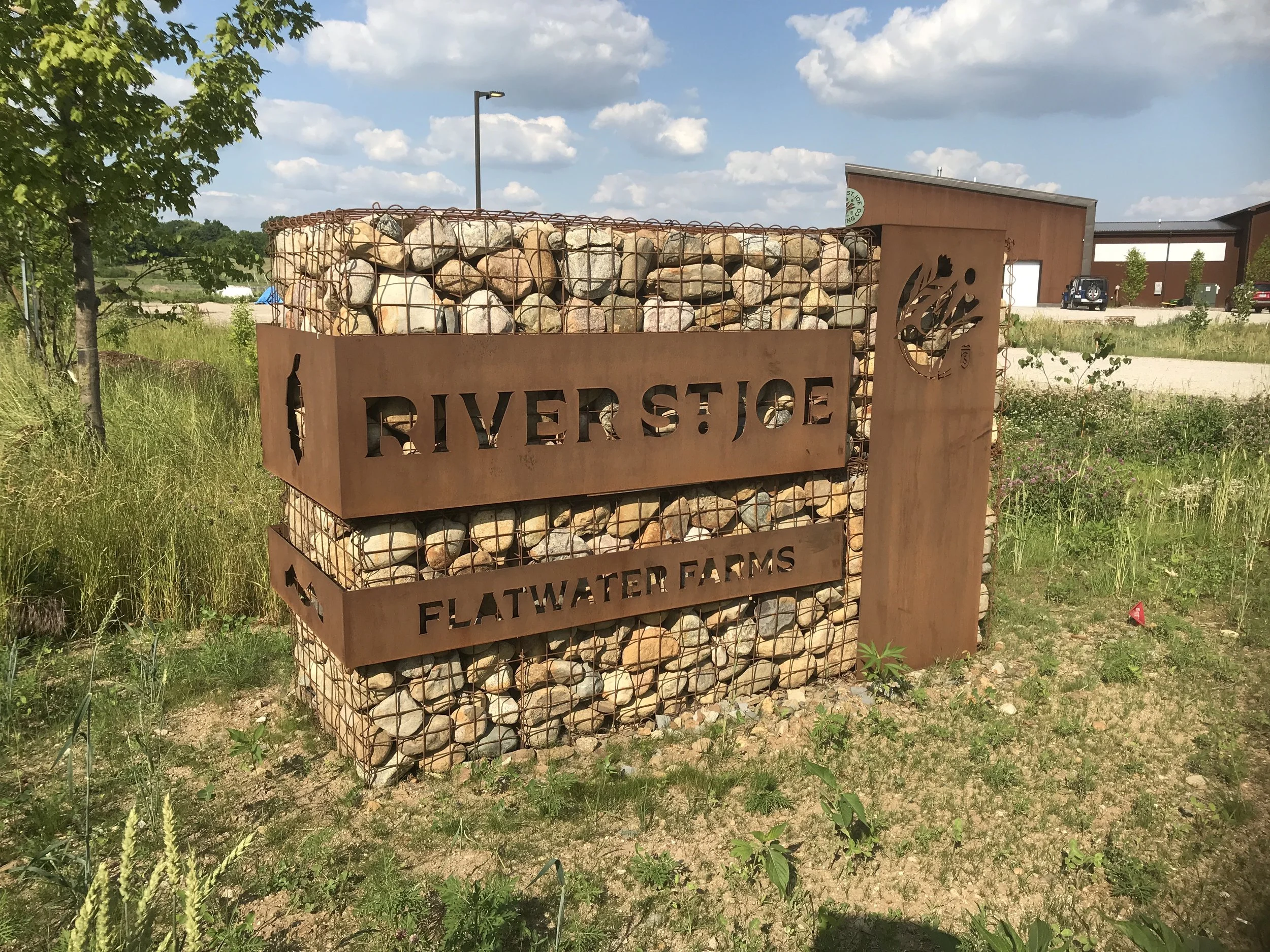
Best For: Exterior monument signs, park signs, campus features, and landscape-integrated signage requiring a natural weathered appearance.
Why It’s Used: Weathering steel develops a distinctive patina that complements natural landscapes, parks, civic spaces, and contemporary architectural designs.
Common Applications: Monument signs, entrance signs, cut-letter panels, landscape features, and freestanding identification signs.
Design Note: Weathering characteristics and runoff conditions should be considered during material selection and placement.
-
Best For: Commemorative signage, plaques, donor recognition displays, institutional installations, and premium architectural applications.
Why It’s Used: Bronze and other specialty metals provide a distinctive, high-quality appearance for prominent or commemorative features.
Common Applications: Plaques, lettering, logos, memorial elements, donor recognition features, and specialty identity displays.
Custom sign applications:
-
Best For: Offices, corporate campuses, manufacturing facilities, commercial developments, and branded business environments.
Common Uses: Building identification, dimensional logos, monument signs, entrance features, and branded architectural elements.
-
Best For: Schools, universities, healthcare facilities, cultural organizations, and institutional campuses.
Common Uses: Campus entrances, facility identification, donor recognition, directional signs, dimensional lettering, and commemorative displays.
-
Best For: Parks, civic spaces, public buildings, streetscapes, trail systems, and community developments.
Common Uses: Park entrances, gateway signs, public identification, wayfinding, recognition displays, and community branding.
-
Best For: Residential developments, commercial properties, mixed-use developments, neighborhood entrances, and landscaped site entrances.
Common Uses: Freestanding monument signs, entrance markers, dimensional lettering, logo panels, and decorative sign structures.
-
Best For: Projects that incorporate company, campus, community, or organizational branding into the built environment.
Common Uses: Logo walls, custom lettering, branded panels, entrance features, architectural identity elements, and decorative focal points.
Finish systems:
-
Best For: Carbon steel sign components receiving a field-applied finish system.
Why It’s Used: Shop primer provides temporary protection and prepares fabricated steel for subsequent coating or painting.
Common Applications: Sign frames, support posts, brackets, and project-specific steel components receiving their final finish after fabrication.
-
Best For: Architectural signage requiring durable color, consistent appearance, and coordination with established branding or project color selections.
Why It’s Used: Painted and powder-coated systems provide a wide range of colors and finish options for visible interior and exterior sign components.
Common Applications: Dimensional lettering, logos, sign panels, frames, posts, monument signs, and gateway features.
Color Options: Standard RAL colors and custom architectural colors when specified.
-
Best For: Exterior steel sign frames, posts, supports, and components requiring long-term corrosion protection.
Why It’s Used: Hot-dip galvanizing helps protect exposed steel components from moisture and environmental conditions.
Common Applications: Support frames, mounting structures, posts, brackets, and exterior sign components.
Appearance Note: Galvanized finishes may have a non-uniform, industrial appearance.
-
Best For: Signs intended to develop a natural, aged, or site-integrated appearance.
Why It’s Used: Weathered finishes can create visual depth and complement natural, historic, civic, or architectural environments.
Common Applications: Park signs, commemorative features, monument signs, plaques, entrance signs, and landscape-integrated identity features.
-
Best For: High-visibility signage requiring a project-specific appearance or architectural effect.
Why It’s Used: Specialty finish systems help coordinate fabricated signage with branding, surrounding architecture, and overall design intent.
Common Applications: Brushed or polished metals, multi-color assemblies, specialty coatings, patinas, and project-specific architectural finishes.
Fabrication & Coordination
Custom metal signs are fabricated according to approved drawings, project specifications, required dimensions, and design intent. Fabrication may include cutting, forming, rolling, welding, assembly, dimensional lettering, mounting provisions, and coordination with surrounding architectural or site conditions.